
Combating Hate Together
This project is for everyone in our community, focusing on fighting hate crimes and promoting inclusivity. With funding from “Bolton’s Fund” we are hosting 3 days of completely FREE workshops, activities and community conversations to aid in the fight against hate crimes in Greater Manchester. All events are informal with refreshments available to all visitors.
Our Goals:
Raise Awareness of Reporting Options: For you to learn about reporting hate crimes, how to and why it’s so important.
Improve Understanding of Hate Crime: Explore real-life examples, case studies, and testimonials.
Boost Confidence in Reporting Hate Crime: Participate in role-playing, engage in nonjudgmental environments, and understand available resources.
How We Make It Inclusive: Diverse representation, language options, physical accessibility, and continuous community feedback.
This project goes beyond awareness; it promotes inclusivity, social cohesion, and education, contributing to a more tolerant and supportive community. Together, we create a positive impact on the local economy.
*Pictures, info and updates from the event at the end of the page and in our latest news*
What We Hope to Achieve:
- Increased Hate Crime Awareness and Reporting
- Improved Community Solidarity and Tolerance
- Positive Impact on Mental Well-being
We value your input. Through surveys, consultations, and observations, we’ll be keeping track of changes in confidence, knowledge, and community dynamics.
Ready to Combat Hate Together?

Join Us! Let’s make a difference in our community. Together, we can build a more inclusive and tolerant environment. Be part of the change!
What is a Hate Crime?
Hate crimes have a profound impact on individuals and communities. This guide aims to empower you with the knowledge to recognise, address, and report hate crimes in the UK, fostering a safer and more inclusive society.
A hate crime is any criminal offence committed against a person or group due to their perceived race, religion, sexual orientation, disability, or other protected characteristics. Examples include verbal abuse, physical assault, online harassment, and damage to property based on prejudice.
How to Spot a Hate Crime
Recognising hate crimes is crucial for effective intervention. Look out for signs such as offensive language, discriminatory behaviour, and symbols of hate. Trust your instincts and be aware of changes in behaviour within your community.
Handling a Hate Crime Incident
If you witness or experience a hate crime:
- Prioritise personal safety and the safety of others.
- Remain calm to avoid escalating the situation.
- Only consider intervening as a bystander if it can be done safely.
Reporting a Hate Crime
Reporting hate crimes is essential for holding perpetrators accountable. Contact the local police, hate crime reporting centres, or use online reporting platforms. Prompt reporting ensures a timely and effective response.
Reporting Tools:
- Online Hate Crime Reporting Form
- Phone the police by calling 101
Legal Framework
Understanding the legal aspects is crucial:
- Hate crimes are prosecuted under specific legislation.
- Perpetrators can face severe penalties.
- Victims are afforded legal protections.
Community Outreach
Build a resilient community by:
- Participating in diversity and tolerance workshops.
- Promoting educational programs within schools and community groups.
- Encouraging open conversations about diversity.
FAQs
Q1: How quickly should I report a hate crime? A: Report as soon as possible to ensure a prompt response.
Q2: Can I report anonymously? A: Yes, many reporting platforms allow for anonymous submissions.
Q3: What should I do if I witness a hate crime but feel unsafe intervening? A: Your safety is the top priority. If it’s unsafe to intervene directly, try to document the incident discreetly, note details, and report it to the authorities as soon as possible.
Q4: Can hate crimes happen online? A: Yes, hate crimes can occur online. If you experience or witness online hate, take screenshots, block the offender, and report the incident to the platform and relevant authorities.
Q5: Are there support services specifically for hate crime victims? A: Yes, several organisations offer support services for hate crime victims. Check our Resources section for contact information.
Q6: Can I report a hate crime anonymously? A: Yes, many reporting platforms allow for anonymous reporting. However, providing your information can aid in the investigation.
Q7: How long does it take for authorities to respond to a reported hate crime? A: Response times vary, but reporting promptly increases the likelihood of a swift response. You can check with local authorities for more information.
Q8: Are there legal consequences for false reports of hate crimes? A: Making false reports is a serious matter. Legal consequences may vary, but intentionally providing false information can lead to legal actions.
Q9: What can schools and workplaces do to prevent hate crimes? A: Schools and workplaces can implement anti-bullying policies, diversity training, and create inclusive environments. Report incidents promptly to the appropriate authorities.
Q10: How can I support someone who has been a victim of a hate crime? A: Offer emotional support, encourage them to report the incident, and connect them with support services. Be a listening ear and let them know they are not alone.
Q11: Are there age restrictions for reporting hate crimes? A: No, there are no age restrictions for reporting hate crimes. Anyone who witnesses or experiences a hate crime should report it.
Additional Reading
- Hate Crime Statistics for Greater Manchester 2019-2023
- Research Paper on the Causes and Motivations of Hate Crime
Conclusion
Let’s remember that combating hate crimes is a joint effort. Understanding what constitutes a hate crime, reporting incidents promptly, and actively participating in community initiatives are key steps in building a safer and more inclusive society.
Knowledge Empowers: Knowing about hate crimes and how to recognise them gives us the tools to stand against discrimination. This knowledge empowers individuals to take action when needed.
Swift Reporting Matters: Reporting hate crimes quickly is crucial for an effective response. It helps law enforcement and support services address incidents promptly and provide assistance to victims.
Unity Builds Resilience: Our strength lies in unity. Engaging in conversations, supporting educational programs, and celebrating diversity actively contribute to a community that rejects hate.
Ongoing Commitment: Fighting hate crimes is an ongoing commitment. Small actions, such as reporting incidents or supporting victims, collectively make a big difference.
Moving Forward Together: Share what you’ve learned, encourage others to be vigilant, and actively contribute to initiatives promoting understanding. Together, we create a society where everyone can live without fear or discrimination.
In every small action, we contribute to a more harmonious future. Let’s stand together against hate and build a brighter tomorrow for everyone.

Day one:
Day one marked the commencement of our hate crime awareness week event, and we were thrilled to welcome a diverse group of individuals to join us for the first day. Throughout the day, participants engaged in insightful discussions and educational sessions, delving into various aspects of hate crimes and their impact on communities. It was heartening to witness everyone’s eagerness to learn and contribute to the dialogue.
Amidst the enriching exchanges, we also ensured that our guests were treated to complimentary hot beverages and delicious pastries, fostering a warm and welcoming atmosphere for all. The shared enjoyment of these refreshments served as a reminder of the unity and solidarity present within our community, despite the challenging topics being addressed.
As we reflect on the success of Day one’s gathering, our anticipation for tomorrow’s event grows. We eagerly await the opportunity to continue our exploration of important issues surrounding hate crimes, drawing upon the invaluable insights and experiences of our community members. Together, we strive to foster understanding, empathy, and meaningful change. Here’s to another day of learning, dialogue, and collective progress!


Day Two:
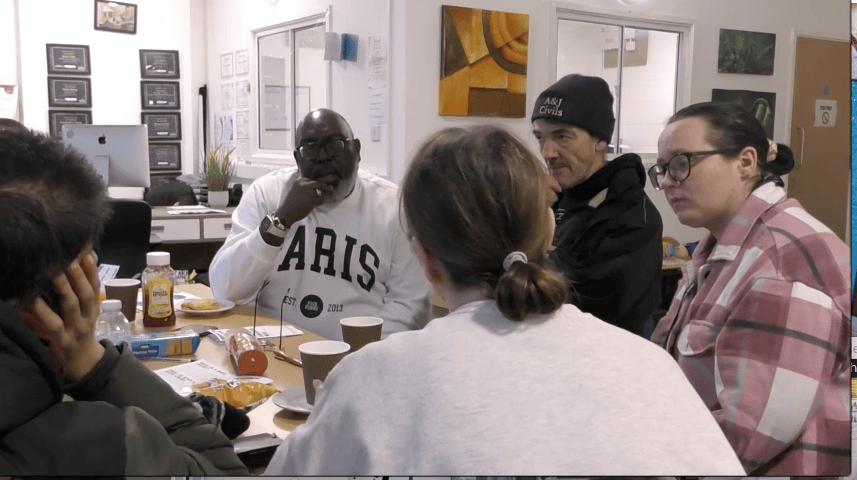
On the second day of our hate crime awareness event last week, 12 individuals gathered to engage in meaningful discussions about personal stories, experiences, and the profound effects of hate crimes. The atmosphere was one of mutual respect and empathy as participants shared their perspectives, fostering an environment conducive to open dialogue and learning.
Conversations throughout the day were not only respectful but also deeply informative, allowing for a nuanced understanding of the complexities surrounding hate crimes and their repercussions. Each person contributed their unique insights, enriching the collective understanding of the group.
As the day concluded, it was evident that everyone present had gained a deeper appreciation for the diverse experiences within our community and a heightened sense of respect for one another. The bonds forged through these discussions serve as a testament to the power of empathy and understanding in combating hate and intolerance.
As we look back on the enriching experiences of the second day, we are reminded of the importance of continued dialogue and education in fostering a more inclusive and compassionate society. With each conversation, we move closer toward our shared goal of creating a community where all individuals are valued and respected.



Day Three:
On the third and final day of our hate crime awareness event, the atmosphere was both reflective and celebratory as participants engaged in a lighthearted debate on the existence of hate crimes, exploring the legal aspects and prosecution processes surrounding these incidents. Despite the weightiness of the topic, the exchange was characterized by humor and camaraderie, demonstrating the resilience of the human spirit in the face of adversity.
The debate provided an opportunity for attendees to critically examine the complexities of hate crimes, including their legal definitions and the challenges associated with prosecuting such offenses. Through spirited discussion and thoughtful deliberation, participants gained a deeper understanding of the nuances involved, furthering their commitment to combating hate and injustice.
Amidst the discussions, the day also featured a vibrant celebration of cultures and diversity within our community. Through music, art, and culinary delights, attendees had the chance to immerse themselves in the rich tapestry of traditions that make our community unique. This celebration served as a powerful reminder of the strength that lies in our differences and the importance of embracing and honoring cultural diversity.
As the event drew to a close, there was a palpable sense of solidarity and hope among participants. The three days of learning, dialogue, and celebration had not only deepened our understanding of hate crimes but also strengthened our resolve to create a more inclusive and compassionate society. As we bid farewell to the event, we carry forward the lessons learned and the connections forged, united in our commitment to standing up against hate in all its forms.
(No pictures or videos were taken on the 3rd day)

